How The Ohio State University is Building the Future of the Student Athlete Experience
VOUCHERS
75%
Of student athletes enrolled in the first 2 months of program introduction
800+
Total number of student athletes enrolled in Wicket program
10k+
Total number of successful scans in the first 2 months of program
biometrics case study
The Ohio State University
VENUE PROFILE
Schumaker Complex
110,000 sq ft student athlete development center that supports health and wellness activities
Facility supports roughly 1,100 student athletes each year
Near Schottenstein Center and Ohio Stadium, which use Wicket Express Entry technology for fans
The Ohio State University first began using the Wicket platform for Express Entry into Ohio Stadium and Schottenstein Center, but quickly saw the potential benefits of the technology at their student athlete hub at the Schumaker Complex.
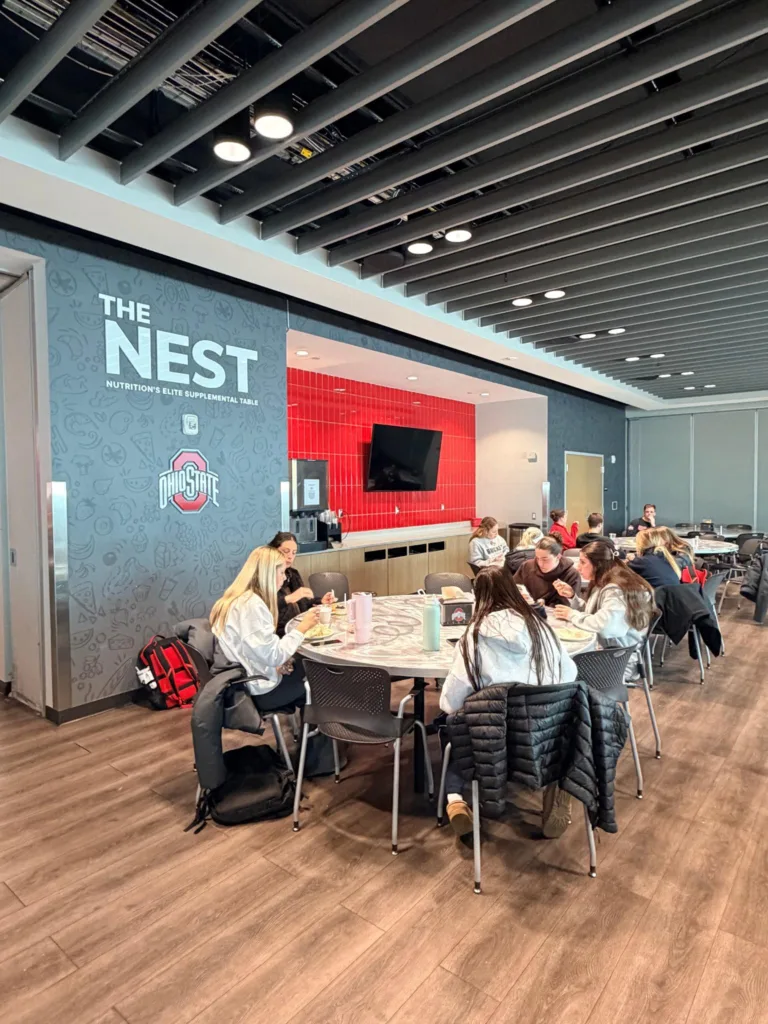
The first use case they identified was performance nutrition tracking at The NEST, where hundreds of student athletes eat their meals every week.
At the end of the day we want to fuel our student athletes so they can perform at the highest level, and the data we get from this helps us achieve our goals. It checks all the boxes, and makes sense financially.
Ryan Berlin
Assistant Athletic Director, Food Service Operations
The Ohio State University
GOALS
Convenient Access for Athletes
The university was looking for ways to streamline access to The NEST, the student athlete dining hub. Convenience is key, and asking the student athlete population to carry a card to access this dedicated space was a pain point. There was also a desire to better understand the number of meals athletes have, and when they are having them.
1
Convenience
Access to The NEST without the need for a physical card was a leading priority for the university
2
Versatility
The performance nutrition team was interested in when student athletes were having meals
3
Accountability
Staff at express check-in lanes
The university wanted to ensure that only current student athletes could enter
SOLUTION
Streamlined Access and Tracking
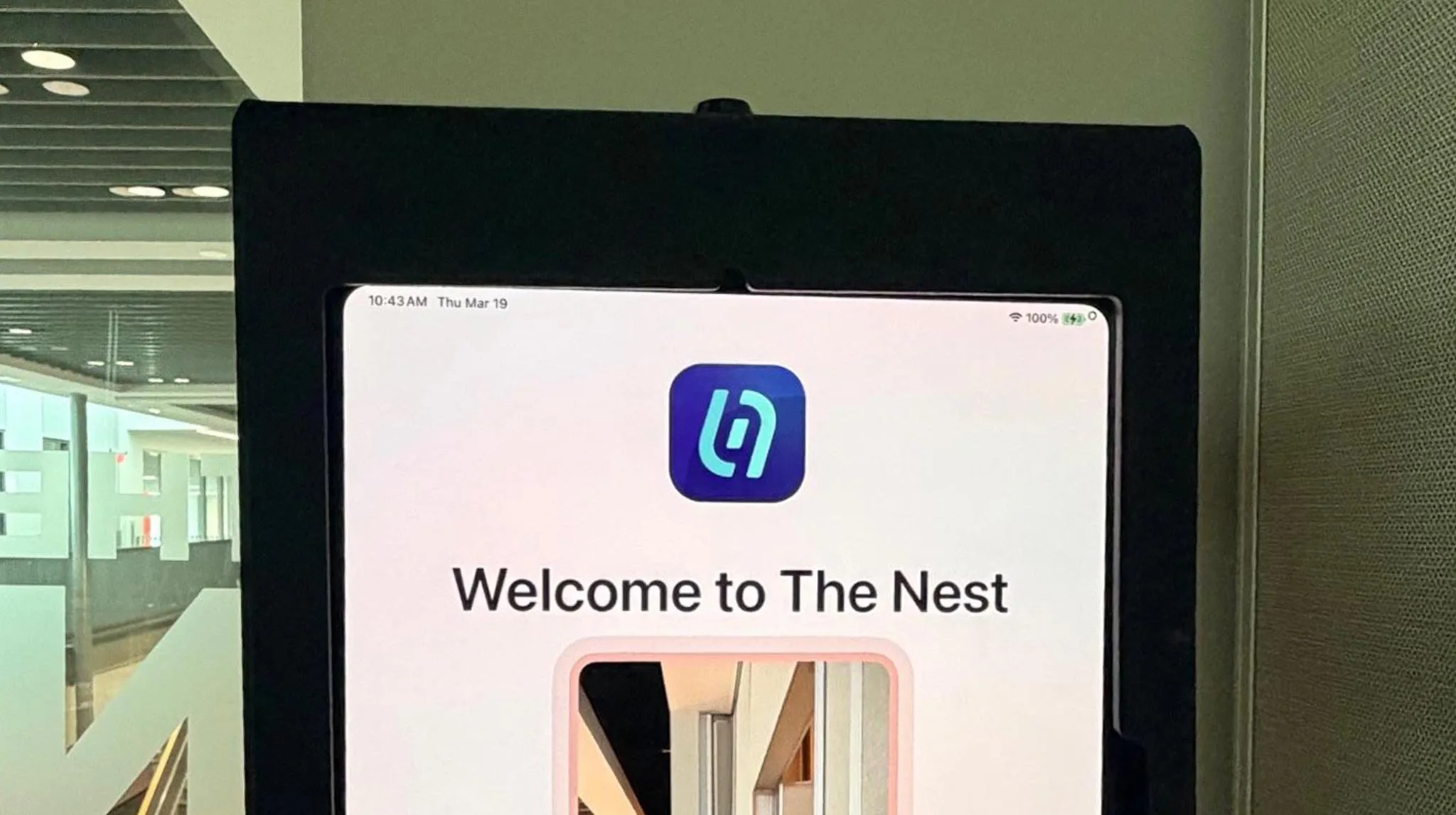
A simple yet flexible solution was put in place using Wicket that enabled student athletes to gain entry and see how many meals remained that day, and captured usage in a live dashboard that select staff could then use to analyze trends – such as whether athletes were eating before or after workouts. Staff made it easy for student athletes to enroll by sending email invites ahead of team meetings, and having fun with taking their selfies together.
75%
Student Athlete Enrollment Rate
Percent of the student athlete population that enrolled in the program in the first 2 months of the program being introduced
BENEFITS
Improved Experience for All
Student athletes were impressed with how easy it was to enroll and use the technology, and staff were surprised with how easy it was to manage. Sports science staff created a custom tool using Wicket’s webhook that gave dietitians on the performance nutrition team better insights into meal times and daily activity of student athletes. Given the flexibility of the technology, the department is looking at using it in other areas within the Athletics District.
Easy to Onboard
Student athletes are able to enroll in less than a minute after receiving their email invitation
Affordable
The all-in cost of the program was much less than the university anticipated for such technology
Scalable
The flexible nature of the Wicket platform makes it easy to expand to other use cases
The Results
Scalable Technology with Real ROI
The university has enrolled over 800 student athletes into the program to use for access into the NEST with a goal of 100% adoption. Over 10,000 successful scans have been performed in 500 milliseconds on average, and the university is already looking at additional use cases that could benefit from the technology across their facilities.
800+
Total Opt-ins
Total number of student athletes enrolled in program, with a goal of 100% enrollment
10,000+
Total Scans
The university has seen over 10,000 successful scans in the first 2 months